Introduction
What looks good on the outside can fall apart inside. Heavy loads put pressure on zippers, straps, or stitching – something few expect. Even sturdy materials weaken under repeated strain. It is not always about how something is made but what it carries over time. Weight stacks up quietly until damage appears. Not every tear comes from wear; force plays its part too.
Even though leather struggles when overloaded, beyond what the bag was made for. Heavy use pushes material under stress, especially at weak spots. Over time, such strain wears down both appearance and durability. Brands often face follow-up problems due to such misuse. Understanding how leather handles weight matters just as much as protecting your item. Keeping your small handbag stable and sound helps guard its original qualities. What happens during intense use shapes the long-term behavior of the material.
1. Understanding the Weight Limits of Leather Handbags
1.1 How Leather and Bag Structures Are Designed to Carry Weight
The load-bearing capacity of a bag is determined by its material grade and construction.
- Full-Grain Leather: Used in premium items like the Leather Hobo Bag, this material contains the densest fibers, offering the highest natural tensile strength.
- PU Leather: Many vegan leather bags wholesale options use high-quality PU, which is prized for being lightweight and water-resistant. However, because it is a synthetic polymer, it lacks the self-healing fibrous memory of real leather and can snap if the weight limit is consistently exceeded.
- The Role of Reinforcement: A bag’s strength doesn’t just come from the hide. It relies on the trinity of stitching, lining (such as 210D polyester or cotton twill), and hardware.
1.2 Why “Personalized” Bags Need Extra Care
Personalization—such as custom logos, metal lettering, or heavy embroidery—introduces new stress points. When a manufacturer like Wingtubag adds a custom logo or a hasp closure, the structural equilibrium of the original design may shift. Small changes in hardware placement for aesthetic reasons can affect how weight is distributed across the shoulder strap, making these bags more susceptible to deformation if overstuffed.
2. Structural Damage Caused by Overloading
2.1 Strap and Handle Strain
The straps are the primary point of failure. Constant tension leads to:
- Elongation: Leather fibers stretch under gravity. Once stretched beyond their elastic limit, they cannot return to their original form.
- Edge Painting Cracks: The protective sealant on the edges of straps will crack as the leather underneath thins and pulls, exposing the core to moisture.
2.2 Shape Distortion and Sagging
A Slouchy hobo bag is designed to hang with a specific silhouette. However, putting heavy items like laptops into a bag designed for daytime errands causes the bottom to sag permanently. This bulging effect ruins the premium positioning of a luxury item, making it look worn and cheap regardless of its actual price.
2.3 Hardware Fatigue
Overloading forces closures—such as magnetic buckles or zippers—to operate under constant tension.
- Zippers: The teeth may become misaligned.
- Magnetic Buckles: In bags like the Vintage Clock Crossbody, a magnetic buckle may fail to hold if the bag body is too distended, leading to security risks.
3. Long-Term Impact on Leather Quality
3.1 Accelerated Stretching and Wrinkling
Leather is a porous, organic material. Heavy loads pull on the grain, leading to stress wrinkles. In horizontal work bags, which are often used for laptops, the leather at the attachment point of the handle often develops deep creases that eventually turn into tears.
3.2 Moisture and Mold Risks
An overloaded bag is usually a tight bag. When items are packed too closely, airflow is restricted. If the bag is stored in a humid environment or used for leather bags dropshipping where it spends weeks in a shipping container, the lack of internal air circulation increases the risk of mold growth within the lining.
4. Why Overloading Increases After-Sales Issues (B2B Insight)
For wholesalers and brand owners, the consequences of overloading are felt in the bottom line. Wingtubag observes that a significant percentage of returns are not due to manufacturing defects but to misuse through overloading.
| Common Complaint | Technical Root Cause | Impact on Brand |
| Broken Strap Joints | Exceeding 5kg on a 1.5lb bag | High Replacement Costs |
| Zipper Popping | Internal volume over-capacity | Reputation for Cheap Hardware |
| Handle Peeling | Friction and heat from heavy weight | Loss of Customer Loyalty |
When end-users treat a fashion crossbody as a heavy-duty tote, the resulting defects lead to higher after-sales workloads and damage the perceived quality of the leather bag suppliers.
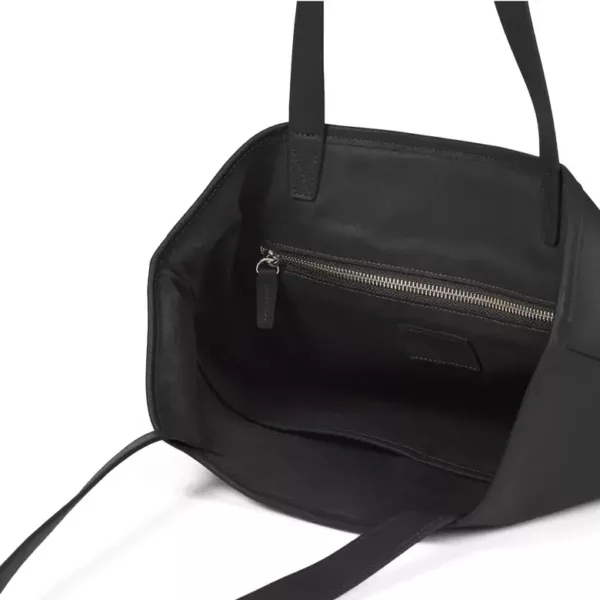
5. Smart Design Solutions to Reduce Overloading Damage
Modern manufacturers utilize several engineering techniques to mitigate the risks of daily wear.
- Reinforced Stress Zones: Top-tier suppliers use double-stitching and X patterns at the base of handles to distribute weight across a larger surface area.
- Compartmentalized Layouts: By designing bags with 11+ pockets (as seen in some Y2K motorcycle bags), manufacturers encourage users to distribute weight evenly rather than letting it settle in one heavy lump at the bottom.
- Material Blending: Using a mix of leather for aesthetics and nylon-reinforced webbing for the interior of straps ensures the bag maintains its look while gaining industrial-grade strength.
6. Best Practices: How to Avoid Overloading
6.1 What to Carry vs. What to Leave Out
Every bag has a sweet spot for weight.
- Crossbody Bags: Ideal for a phone, wallet, keys, and one small cosmetic item.
- Work Totes: Designed for tablets and thin laptops. Avoid carrying heavy textbooks or multiple power banks.
6.2 Rotate Your Collection
Alternating between two or three bags allows the leather fibers of each bag to rest and regain some of their natural shape. This is particularly important for vegan leather bags wholesale products, which benefit from periods without tension to prevent the PU coating from cracking.
6.3 Proper Storage
When not in use, empty the bag completely. Stuffing it with acid-free tissue paper helps maintain the silhouette and prevents the leather from collapsing under its own weight while sitting on a shelf.
7. ESG Perspective: Durability as a Sustainability Strategy
In the modern fashion landscape, sustainability is key. A bag that lasts five years instead of six months significantly reduces the carbon footprint associated with manufacturing and shipping. By educating customers on the dangers of overloading, brands contribute to a Slow Fashion movement. Using high-quality materials from reliable leather bag suppliers ensures that the product doesn’t become disposable after one season of heavy use.
8. What Brands Should Communicate to Buyers
Transparency builds trust. Brands should include Recommended Load guidelines in their product descriptions. For example, a specialized Wingtubag product might be rated for 2-3kg. Providing clear care instructions for personalized items ensures that the custom elements—which the customer has paid a premium for—remain intact for years.
Conclusion
Avoiding the overloading of a leather handbag is not just about aesthetics; it is a matter of structural integrity and financial sense. For the end-user, it ensures their investment remains beautiful. For the wholesaler, it reduces the burden of after-sales claims. By respecting the physical limits of the material and choosing bags from experienced manufacturers who prioritize reinforced construction, we can ensure that every personalized leather piece remains a lasting statement of style and strength.
Frequently Asked Questions (FAQ)
1. How much weight can a standard leather crossbody bag safely hold?
Generally, a small to medium leather crossbody bag is designed to hold between 1.5kg to 2.5kg (3-5 lbs). Exceeding this regularly will cause the strap attachment points to stretch and eventually tear.
2. My leather bag has started to sag at the bottom. Can I fix it?
If the leather has not yet cracked, you can try to reset the shape by emptying the bag and stuffing it firmly with bubble wrap or tissue paper for 48 hours. However, if the fibers have overstretched, the sagging may be permanent. Using a base shaper insert can help prevent further damage.
3. Is PU leather (vegan leather) more or less durable than real leather when overloaded?
PU leather is generally less durable under heavy loads. While it is strong, it lacks the complex fibrous network of animal hide, meaning once it reaches its breaking point, it tends to snap or peel suddenly rather than stretching gradually.
4. Why is the stitching on my personalized bag coming loose?
Personalization (like heavy metal logos) adds localized weight. If the bag is also overloaded, the tension on the stitching increases exponentially. Always ensure your leather crossbody bag wholesale supplier uses reinforced back-stitching at all personalization sites.
5. Does the strap width affect how much I can carry?
Yes. A wider strap distributes weight over a larger area of your shoulder and the bag’s frame. If you must carry heavier items, choose a bag with a strap at least 1.5 inches wide or one with reinforced “D-ring” hardware.