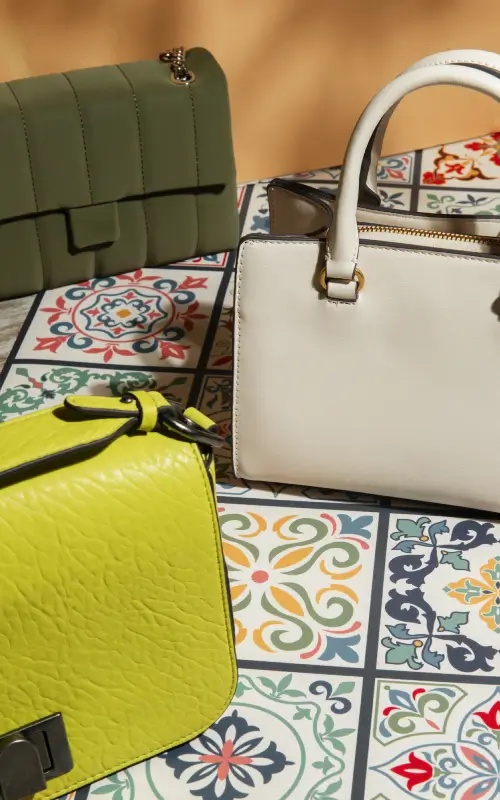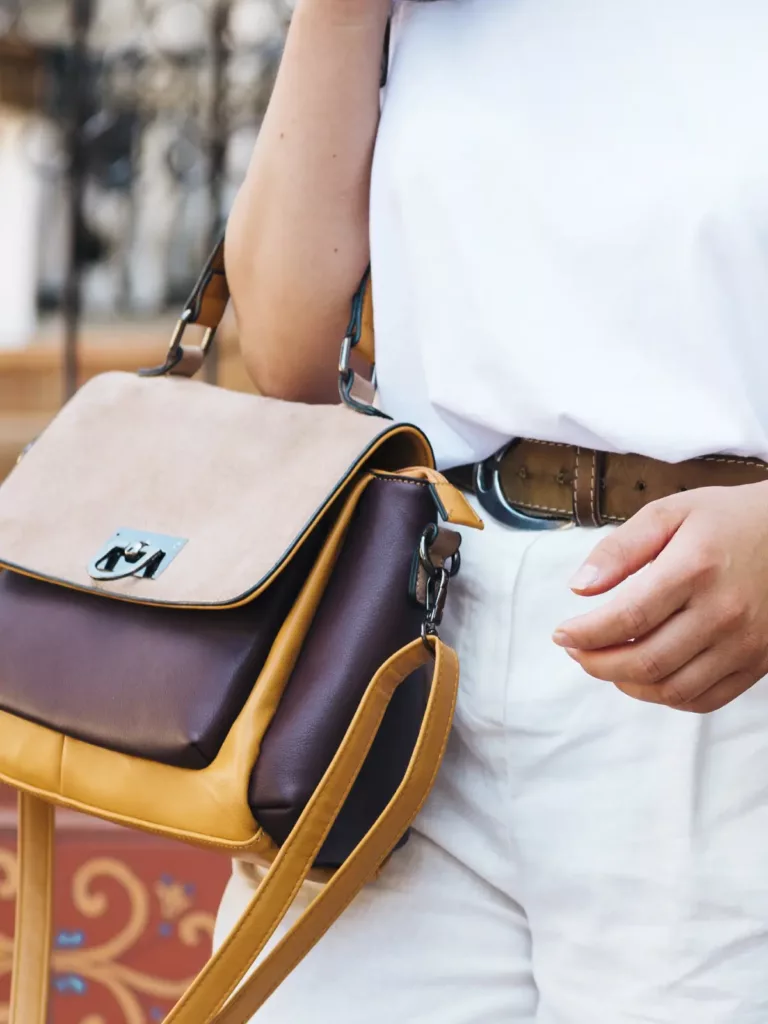

Introduction
Leather bags, whether crafted from real leather or PU leather, remain cherished for their toughness and classic appeal. Yet, without regular upkeep, these items can turn rigid, fade in luster, or face even graver troubles like mold growth. Such problems stem from weather conditions and faulty storage habits. They lead to frequent gripes from shoppers, sellers, and producers alike.
For bulk purchasers, custom label makers, or folks handling ongoing stock, keeping leather bag condition in top shape matters greatly. Bad leather bag care boosts return rates, cuts down on selling price, and hurts the company’s image. Drawing on our experience working with global wholesale buyers and long-term leather bag storage projects, Wingtubag has seen firsthand how improper care leads to stiffness, mold, and unnecessary product returns. Learning how to soften leather bags and remove mold from leather bags in a secure way helps extend the item’s lifespan. It also upholds buyer confidence.
Understanding Leather: Why Bags Become Stiff or Moldy
What Causes Leather Bags to Harden
Stiffness ranks as a widespread concern. Leather holds natural fats that maintain its flexibility and smoothness. As time passes, these fats might dry up for various reasons. For instance, prolonged exposure in arid or chilly areas can play a role. So can limited handling or fresh air exposure. Plus, production methods that remove innate fats contribute too.
Full-grain and top-grain leathers hold onto fats more effectively than fake kinds like PU or vegan leather. Still, even fine PU bags, such as the retro crossbody travel women’s bag with Brahmin crocodile pattern, might grow firm if stored incorrectly over time.
Why Mold Forms on Leather Bags
Mold on leather appears when dampness gets stuck without proper airflow. This risk heightens notably in certain situations. High humidity periods top the list. Subpar warehouse keeping follows closely. Overseas transport adds to the danger as well.
Wrong packaging, like enclosing bags in plastic wraps, locks in wetness and encourages mold to spread. Bulk goods stored in damp spots without routine checks face amplified issues.
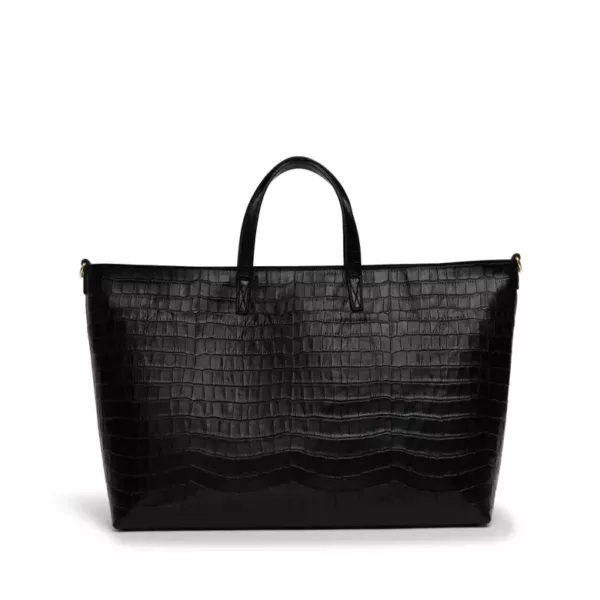
How to Soften Leather Bags Safely (Step-by-Step)
Step 1: Clean the Surface Before Softening
Before you try to soften a leather bag, make sure to wipe it down first. This step stops grime or mold bits from soaking in while you condition it.
Grab a dry rag or one slightly moistened with gentle soap. Steer clear of alcohol, acetone, or too much liquid, since they strip away leather’s fats. Skip harsh chemical wipes on PU leather, too. They might harm the outer layer.
Step 2: Use Leather Conditioner or Natural Oils
Put on a reliable leather conditioner to bring back flexibility. For true leather bags, like the Leather Hobo Bag from full-grain leather, pro-level conditioners work wonders. Common home options include these natural picks:
| Conditioner Type | Recommended For | Notes |
| Beeswax | Full-grain leather | Offers water resistance |
| Mink Oil | Genuine leather | Deep moisturizing effect |
| Coconut/Olive Oil | PU & Vegan Leather | Use sparingly to avoid residue |
Spread a tiny bit with a soft rag and rub it in easy circles. Allow it to soak in for several hours. Then, add more if needed.
Step 3: Massage and Flex the Leather Correctly
To soften a stiff leather bag well, follow these moves. First, use your hands to rub the outer layer lightly. Next, fold and bend the bag’s form in a slow manner. And remember, do not yank or twist the edges.
This approach suits shaped bags like the Wingtubag Designer Girls Handbags. It keeps their graceful form intact. At the same time, it boosts bendiness.
Step 4: Let the Leather Rest and Absorb
Give the treated bag time to dry in open air for a full day or two. Do not set it in bright sun or by warm sources. Too much heat might lead to splits or color shifts.
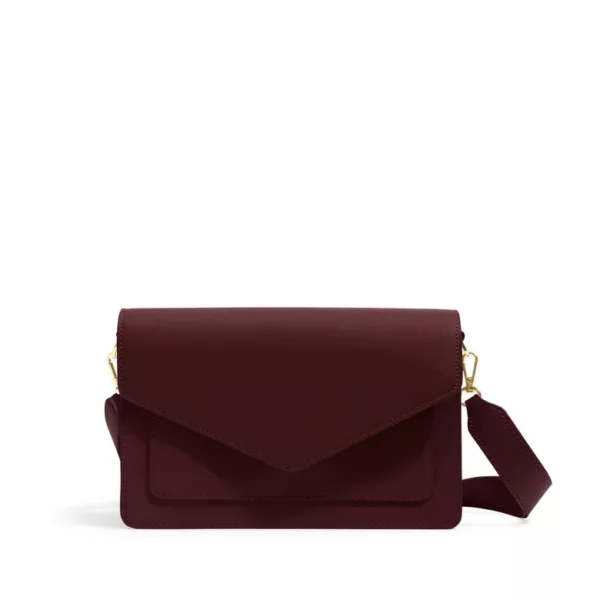
How to Remove Mold from Leather Bags Safely
Identify the Type of Mold
Begin by spotting if the mold sits on the top (showing white or green fuzzy spots) or digs in deep (seeping into the stuff). Top-level mold often cleans up easily. But deep kinds usually need expert fixing or a full swap.
Step-by-Step Mold Removal Process
- Take the bag outside or to a spot with good airflow.
- Employ a gentle brush to sweep off loose mold bits.
- Mix up a blend: equal amounts of white vinegar and water work for real leather. Or pick mild soap for PU leather.
- Soak a soft rag in the mix and pat the troubled spots.
- Grab a dry rag to soak up extra wetness right away.
- Allow the bag to dry fully in the air before you put it away.
For inside parts, like those in bags with many sections, such as the retro-colored motorcycle tote, take care. Do not let mold shift from one cloth layer to another.
What NOT to Do When Removing Mold
Stay away from bleach or strong cleaners. They ruin leather’s outer shine and loosen threads. Never dunk or run leather bags through a washer. That breaks down the build and might push mold further into joints.
Preventing Mold and Stiffness in the Future
Proper Storage Conditions for Leather Bags
Keep bags in mild, dry spots where dampness stays at 40–60%. Opt for airy dust covers over plastic ones. They stop wetness from building up.
Position bags standing with padding within to hold their form. This proves key for firm bags like the Horizontal Leather Work Bag. Also, shift stored items now and then across seasons. That avoids lasting pressure.
Best Practices for Brands, Wholesalers, and Warehouses
When dealing with large lots:
- Check that dehumidifiers in the warehouse run smoothly.
- Choose paper fillers over foam ones. Foam can hold dampness.
- Perform checks on stock items each season. Focus extra on fall and winter lines.
Companies that follow ESG rules ought to switch to green packaging, too. It lets air flow freely. And it cuts back on plastic trash.
Leather Care Tips for Different Bag Materials
Genuine Leather vs. PU Leather Care Differences
PU leather handles soften, unlike true leather. Its man-made makeup causes that. It needs less upkeep overall. But too much treatment might lead to outer flaking.
PU leather resists mold better by nature than real leather. Yet it still calls for good airflow. Items like the retro crossbody travel women’s bag with Brahmin crocodile pattern benefit from quick dry wipes after each use.
Vegan Leather and Eco-Friendly Alternatives
Vegan leather typically includes plant elements. It does not always demand conditioning. But to keep its look, avoid oil-based cleaners. They can break down natural surfaces.
Stick to gentle rags, basic soap mixes, and distance from hot spots.
ESG Perspective: Sustainable Leather Bag Care
Upkeep for bags stretches their useful life. It also lowers return numbers. That fits into reuse trends and green aims in fashion.
Sharing tips on how to soften stiff leather bags and how to remove mold from leather bags cuts down on waste in dumps. It boosts user happiness, too. For bulk sellers, adding upkeep guides to packages builds loyalty. It eases support needs as well.
Wingtubag’s focus on solid goods with small order minimums highlights the need for good keeping and follow-up help. This supports lasting business ties.
Conclusion: Protecting Leather Bags for Long-Term Value
From how to soften leather bags without risk to how to remove mold from leather bags without harm, steady maintenance keeps your go-to item chic and working for ages.
For everyday users, these actions mean durable goods. For business buyers, they mean fewer comebacks and better client joy. Solid leather bag care goes beyond looks. It shows smart oversight and firm duty all along the trade path.
Frequently Asked Questions (FAQ)
How long does it take to soften a stiff leather bag?
You often see changes in softness within 24–48 hours after conditioner use. For extra-rigid ones, a second round might help.
Can mold permanently damage a leather bag?
Untreated mold can leave marks or fray the leather strands for good. Damp settings make it worse.
Is vinegar safe for leather mold removal?
Yes, when thinned out (1:1 with water), and mainly for true leather. Test it on a hidden spot first, always.
How often should leather bags be conditioned?
Do it every 3–6 months for real leather. PU or vegan types need it less often. But wipe them clean on a regular basis.
What is the best way to store leather bags during winter?
Use breathable dust bags in a dry zone with steady dampness levels. Skip attics or cellars. Those spots see wild temp swings.