
Introduction
Worldwide luggage sourcing relies heavily on a dependable supply chain. It also depends on deep customization and strong production risk management. For B2B buyers, choosing a custom luggage manufacturer involves more than just executing a design. It means securing steady deliveries and uniform quality. It also requires scalable OEM/ODM capabilities across various markets. Wingtubag functions within this system. We support long-lasting brand growth using organized manufacturing setups and strict production processes.
What Defines a Custom Luggage Manufacturer in Modern Supply Chains?
A custom luggage manufacturer acts as a reliable production partner. This partner blends product creation, material purchasing, and bulk manufacturing into one unified system. We offer OEM/ODM services. These services span the entire process from initial sketches to the final shipment. This setup allows brands to concentrate on their market plans. Meanwhile, we handle production risks at the factory level.
In our manufacturing approach, seamless integration is vital. We do not divide design, sampling, and production into isolated phases. Instead, we align every single step. This alignment lowers the chance of errors and keeps quality steady across large orders.
Why Do Brands Work with Custom–Branded Luggage Manufacturers?
Brands partner with custom-branded luggage manufacturers to enter the market more quickly. They do this without needing to build their own production facilities. The main benefit is a significant drop in risk during early product creation and growth stages.
We help brand owners by providing adaptable MOQ choices. This allows for both small trial runs and massive bulk production within the exact same system. As a result, this cuts down on inventory stress. It also allows for quicker testing across various retail avenues, like online stores, wholesale networks, and travel retail shops.
Another vital benefit is strict branding control. Brands can easily modify logos, labels, fabric feels, and practical features. They can do this without needing to overhaul the whole product design. This adaptability helps brands keep their unique identity while meeting specific regional market demands.
How OEM Luggage Production Controls Risk and Ensures Consistency
In B2B purchasing, the primary worry is not creative design. It is a steady and reliable production. As a custom luggage manufacturer, we apply an organized risk management system. This covers materials, manufacturing, and shipping logistics.
Important control measures include:
- Checking materials thoroughly before manufacturing starts
- Inspecting stitching and assembly at multiple stages
- Testing the strength of zippers, handles, and wheels
- Verifying batch uniformity across massive production runs
- Examining the final packaging closely before shipping
Production Risk Control Framework
| Control Stage | Focus Area | Risk Mitigation Purpose |
| Material Input | Fabric & hardware validation | Prevent batch inconsistency |
| Cutting & Stitching | Structural precision | Reduce defect rates |
| Assembly Line | Functional integration | Ensure durability |
| Final QC | Appearance & performance | Avoid market returns |
| Packaging | Export protection | Reduce transit damage |
This organized method greatly lessens later problems. These problems include product returns, brand complaints, and shipping delays. Such issues are major risks in global trade.
What Customization Options Matter Most in B2B Luggage Projects?
Personalizing luggage goes far beyond simple surface looks. It directly impacts how the product is used, how long it lasts, and its place in the market.
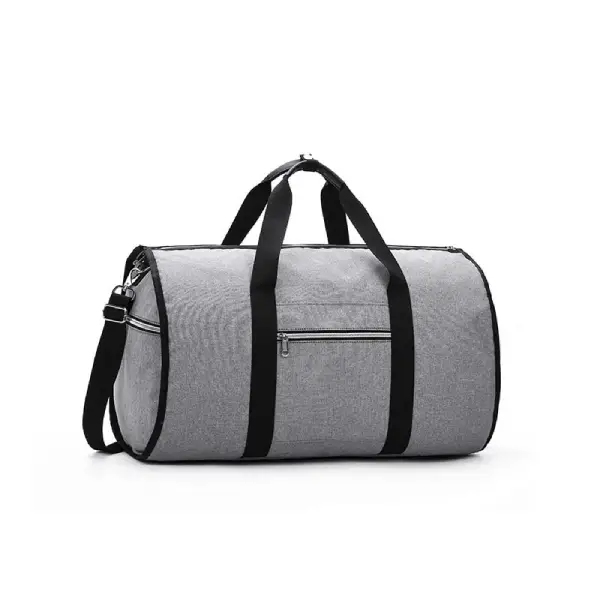
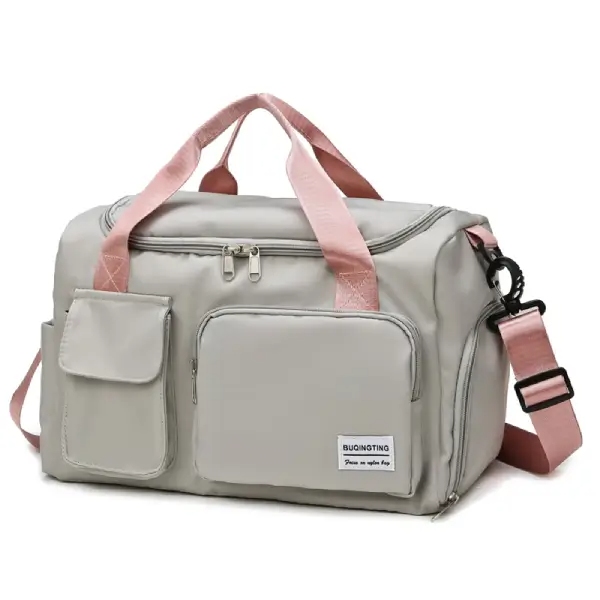
We offer extensive material customization. This includes polyester, nylon, PU leather, and blended fabrics, based on the product’s intended market. We can also modify practical features. These include trolley mechanisms, inner compartments, security zippers, and water-resistant linings. We adjust these based on specific market requirements.
Branding choices feature pressed logos, stitched labels, printed exteriors, and tailored packaging setups. These ensure the products are completely ready for retail shelves.
These diverse options let buyers make their product lines stand out. They achieve this without making the supply chain more complicated.
How Wingtubag Ensures Scalable Production and Stable Supply
We function as a totally unified manufacturing network. We combine design, material purchasing, production, and shipping logistics. Our setup is built to lessen reliance risks throughout the supply chain. It also ensures steady delivery schedules.
Our manufacturing network involves partnerships with more than 220 fabric providers. This allows for quick material pairing for various product needs. Consequently, this cuts down delays in both sampling and bulk manufacturing. It also boosts our ability to react swiftly to market shifts.
Furthermore, we keep a steady flow of inventory across several warehouses. This supports quicker delivery for repeat purchases and unexpected seasonal demand surges.
For project-specific sourcing, product personalization, or large quote requests, brands can send details directly through Wingtubag website.
What Procurement Risks Should Buyers Evaluate Before Ordering?
In worldwide luggage purchasing, the most frequent risks are hidden during the design phase. They usually show up during mass manufacturing and shipping.
Common problem areas involve unreliable material sources and uneven production quality. Slow sampling times and a lack of post-sale help are also typical issues. These hazards often cause supply chain breaks and higher running costs.
We tackle these hazards using unified production oversight and a formal post-sale service system. Our help continues long after the shipment leaves. It includes managing quality feedback, organizing restocks, and maintaining clear technical talks with buyers.
This approach greatly lowers long-term purchasing doubts for distributors and brand owners alike.
FAQ: Custom Luggage Manufacturing for B2B Buyers
What is the difference between custom luggage manufacturers and trading companies?
Manufacturers oversee production directly. In contrast, trading companies depend on outside factories. This dependence raises wait times and the risk of uneven quality.
How do custom–branded luggage manufacturers support brand growth?
They allow for quicker product releases and flexible branding changes. They also offer scalable production without needing internal factory setups.
What factors influence luggage manufacturing cost?
Material choices, design difficulty, order size, customization levels, and production timing all directly affect the final item price.
How do manufacturers manage after-sales and quality issues?
We use organized post-sale systems. These include handling flaws, organizing replacements, and using continuous feedback loops to improve products.
Conclusion
Picking a custom luggage manufacturer is a crucial business choice. It directly affects brand reliability, product excellence, and supply chain strength. At Wingtubag, we combine OEM/ODM manufacturing, massive production capacity, and strict risk control systems. This helps us provide global B2B clients with reliable and scalable luggage solutions.
From early sampling to final bulk production, our main goal is to lower business uncertainty. We aim to offer a solid manufacturing foundation for lasting brand success.