
Introduction: Why Eco-Friendly Bag Materials Matter in 2026
Sustainability has turned into a key part of business plans. Eco-conscious sourcing now goes from a small focus to a widespread need in worldwide bag-making. By 2026, companies will not pick materials just for cost or looks anymore. Instead, people judge them on their environmental effects. This holds true for items like a custom leather crossbody bag or a custom crossbody bag. Consumers want strength and style to match fair-making practices.
ESG (Environmental, Social, and Governance) rules now shape buying choices. This happens even in bulk buying. Buyers dealing with custom toiletry bags wholesale or firms aiming to customize their own handbags often ask for material proofs and full life checks. Picking green materials is a smart move. It touches brand image, rule following, and buyer trust.
What Defines an Eco-Friendly Bag Material?
Environmental Impact Across the Product Lifecycle
A bag’s material counts as eco-friendly if it cuts down damage over its whole life. Here is how:
- Raw Material Sourcing: Choose renewable, reused, or carefully gathered supplies. Examples include organic cotton or recycled polyester.
- Manufacturing Footprint: Use power-saving and low-waste making steps. They lower the carbon output.
- Durability and Product Lifespan: Pick strong materials that handle everyday wear. This cuts down on user trash.
- End-of-Life Recyclability or Biodegradability: Materials should break down on their own or get recycled. That way, they avoid piling up in dumps.
Certifications and Compliance Buyers Should Understand
In business-to-business buying, proven green practices matter a lot. Seals like GRS (Global Recycled Standard), OEKO-TEX, and USDA Organic give outside checks. They show materials fit the green rules. For companies shipping to places like the EU or North America, following REACH and Prop 65 is usually required.
Top Eco-Friendly Bag Materials Custom Buyers Are Choosing in 2026
Recycled PU Leather
This comes from top-grade PU leather. It lasts well and cleans easily. Recycled PU cuts reliance on new plastic. It turns scrap into something useful. In looks, it gives the same smooth surface as old-style PU. But its carbon mark is much smaller.
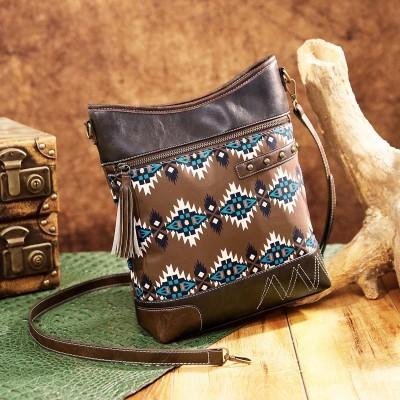
That fits well for custom leather crossbody bag jobs and firm handbags. Take the Retro crossbody travel women’s bag with the Brahmin crocodile pattern. It mixes fine PU with an old-school style. This suits green fashion groups.
Vegan Leather Alternatives
Vegan leathers might come from plants, like cactus or mushroom types. Or they could be man-made without PVC. Plant kinds often have fewer emissions. Yet they cost extra. Man-made vegan leathers bring lasting power and low price. They work great for big-selling goods.
People use these in crossbody bag custom requests. Or when companies want to customize their own handbag with a no-animal charm.
Organic Cotton and Sustainable Canvas
Organic cotton skips bad chemicals and uses less water than regular cotton. It stays popular for tote bags. That’s because it prints well and fits large runs.
The Wholesale Cute Retro And Fashionable Spliced Plush Shoulder Bag shows how canvas pairs with soft fabric. It gives a classic but handy feel.
Recycled Fabrics (RPET, Recycled Polyester, Denim Blends)
Recycled PET (RPET) changes old plastic bottles into tough cloths. These shine in backpacks, makeup holders, and trip bags. They offer solid build and water resistance.
The Wholesale High-End Textured, Niche-Designed, Large-Capacity Retro Washed Denim Crossbody Bag blends reused denim looks with a useful shape. It suits stores and OEM/ODM work.
Corduroy, Linen, and Cotton Blends with Sustainable Positioning
Mixed cloths like linen-cotton boost lasting use. They add a nice touch feel too. By 2026, rough-texture picks like corduroy trend in style totes and easy crossbody bags.
These fit well in small groups of custom toiletry bags wholesale. Or in shop-level handbag sets.
Comparing Eco-Friendly Bag Materials: Cost, Durability, and MOQ
Cost Expectations for Custom and Wholesale Orders
Green materials often run higher in price than usual ones. That’s due to tricky getting and checking costs. But minimum order amounts (MOQs) can control spending. Providers like Wingtubag give small MOQs. With a minimum order quantity (MOQ) of just 2 pieces. This opens green materials to tiny brands.
| Material Type | Approx. Cost Impact | MOQ Flexibility |
| Recycled PU | +10–15% | Moderate |
| Organic Cotton | +5–10% | High |
| Vegan Leather (Plant) | +20–30% | Low–Moderate |
| RPET | +10–20% | Moderate |
Durability and Real-World Performance
For everyday goods like office totes or trip bags, picks like recycled PU or RPET give strong rub resistance. Canvas and cotton mixes suit light use better. Or for promo stuff.
The inside space holds work papers, laptops, daily items, and more. It meets storage wants for daily trips.
How Material Choices Affect Customization and Branding
Logo Application and Printing Compatibility
Various materials are handled in different custom ways:
- Organic cotton & canvas: Great for screen printing or heat transfer
- PU & recycled leather: Perfect for embossing/debossing
- Denim & blends: Good for embroidery or woven labels
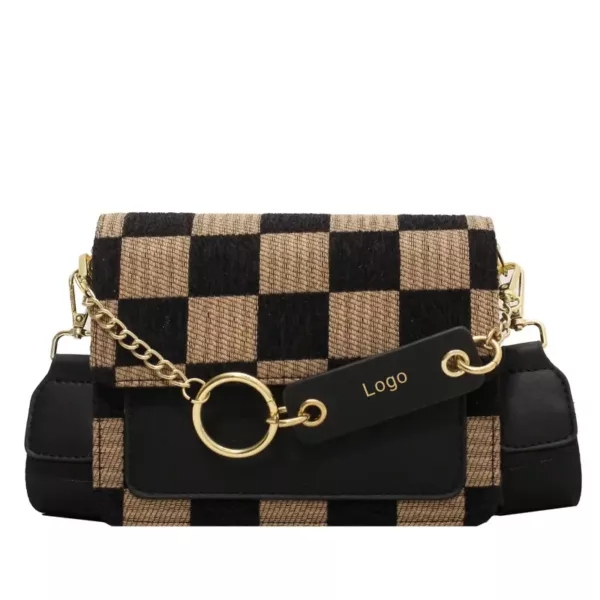
For instance, the handbag comes in colors you can change. It can have your own logo too. This matters when building brand feel with green bags.
Color Consistency and Design Flexibility
Natural threads like organic cotton might take dye a bit differently. So, color matching in batches can be tough. Companies should ask for color tests and early samples. That ensures steady results.
How to Choose the Right Eco-Friendly Bag Material for Your Brand
Key Questions Custom Bag Buyers Should Ask Suppliers
- What certifications does the material carry?
- Can you provide lifecycle analysis or traceability reports?
- What are your average lead times for sample development?
- What quality control measures do you implement?
Suppliers with established OEM/ODM experience, such as Wingtubag, typically provide material certifications, lifecycle documentation, and fast sample development to support sustainable bag projects. We link with over 220 fabric sources. This turns your thoughts into fine samples soon.
Aligning Material Selection with Brand Positioning
A high-end mark might pick vegan leather or recycled PU for a clean look. Mass brands could choose canvas or RPET to fit budget limits.
Green stories add another layer. Pointing out seals and kind processes builds strong ESG tales in ad pushes.
Common Mistakes Brands Make When Sourcing Eco-Friendly Bags
- Assuming all “eco” claims are equal without verifying the testing reports
- Selecting low-durability materials for high-use items like travel bags
- Ignoring compliance needs for export markets (e.g., REACH compliance in Europe)
Future Outlook: Eco-Friendly Bag Material Trends Beyond 2026
The need for checked green materials will keep growing. Buyers will check realness more. Mixed types, like recycled polyester with organic cotton, will rise. They balance work and look well.
The right mix of style and use. Providers putting money into clear info and new ideas will stand out. They will lead in the changing buying world.
Conclusion: Building Sustainable Bag Collections That Scale
Getting eco-friendly materials is not a choice now. It forms the base of brand growth and buyer faith. If making a custom leather crossbody bag, or a set of crossbody bag custom picks, or setting up your next custom toiletry bags wholesale effort, material pick shapes product wins.
Experienced OEM/ODM manufacturers like Wingtubag help brands scale sustainable bag collections by combining certified materials, flexible MOQs, and consistent production quality. We offer bendy custom work, checked green cloths, and smooth making. From drawing to end shipment.
FAQs
1. What is the most durable, eco-friendly material for crossbody bags?
Recycled PU leather offers excellent durability comparable to traditional PU while being more environmentally friendly.
2. Can I screen print my logo on organic cotton bags?
Yes, organic cotton is highly suitable for screen printing and heat transfer applications.
3. Are vegan leathers truly eco-friendly?
Plant-based vegan leathers are generally more sustainable than synthetic options; however, always check for third-party certifications to confirm eco claims.
4. How does MOQ affect eco-material selection?
Lower MOQs allow small brands to experiment with sustainable materials without committing to large volumes. Wingtubag supports this flexibility with MOQs as low as 2 units.
5. Is RPET fabric safe for cosmetic bags?
Yes, RPET is safe when certified; it’s durable, moisture-resistant, and ideal for cosmetic pouches needing structure and protection.